


Business Hours
We are now open during normal business hours, however to help stop the spread of COVID-19 we require all guests to wear a mask while inside of the building.
- 9:00am - 5:00pm
- 9:00am - 6:00pm
- 9:30am - 5:00pm
Read more about us
During his 10 years living in Afghanistan,
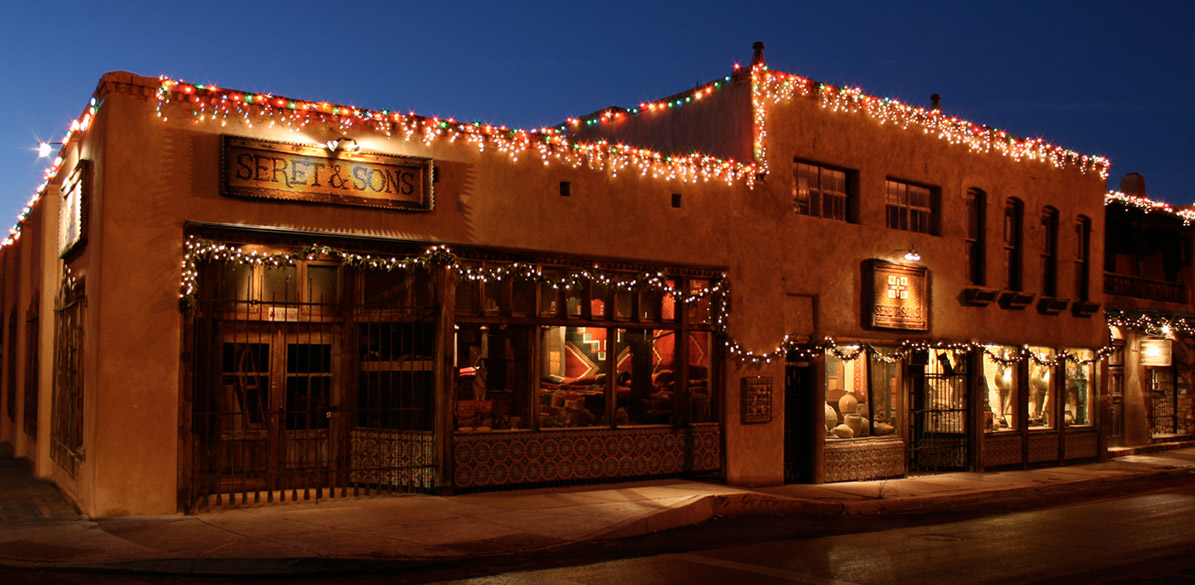
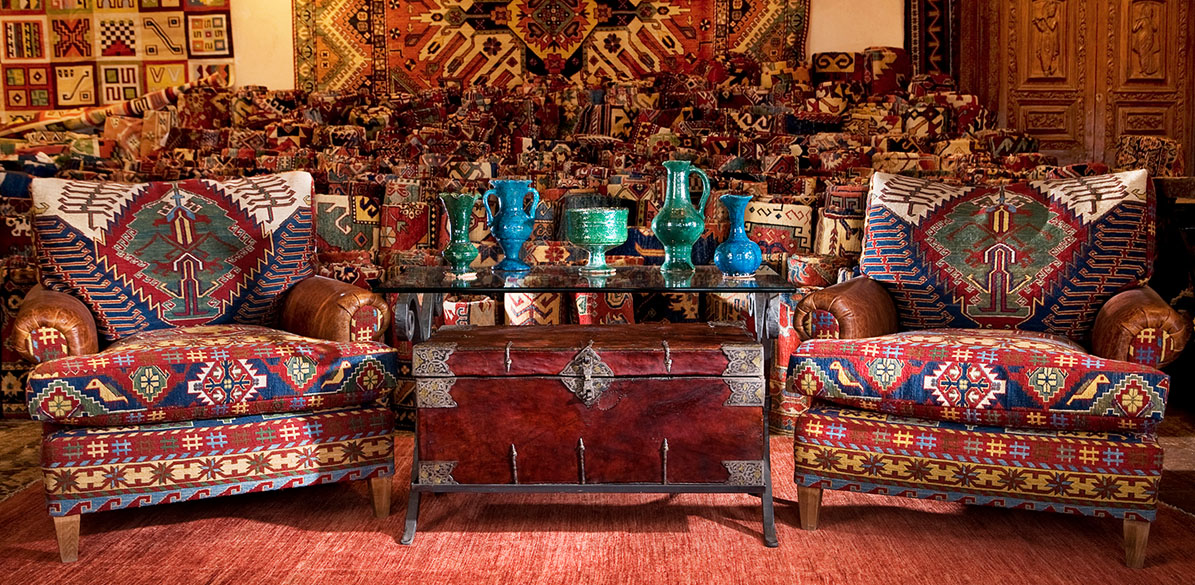
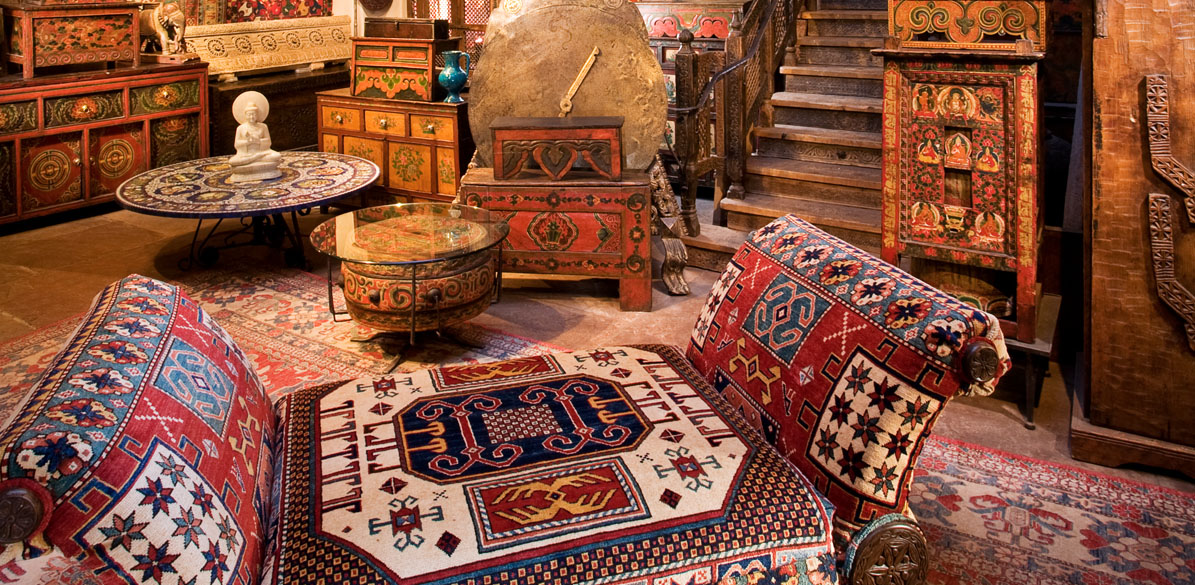
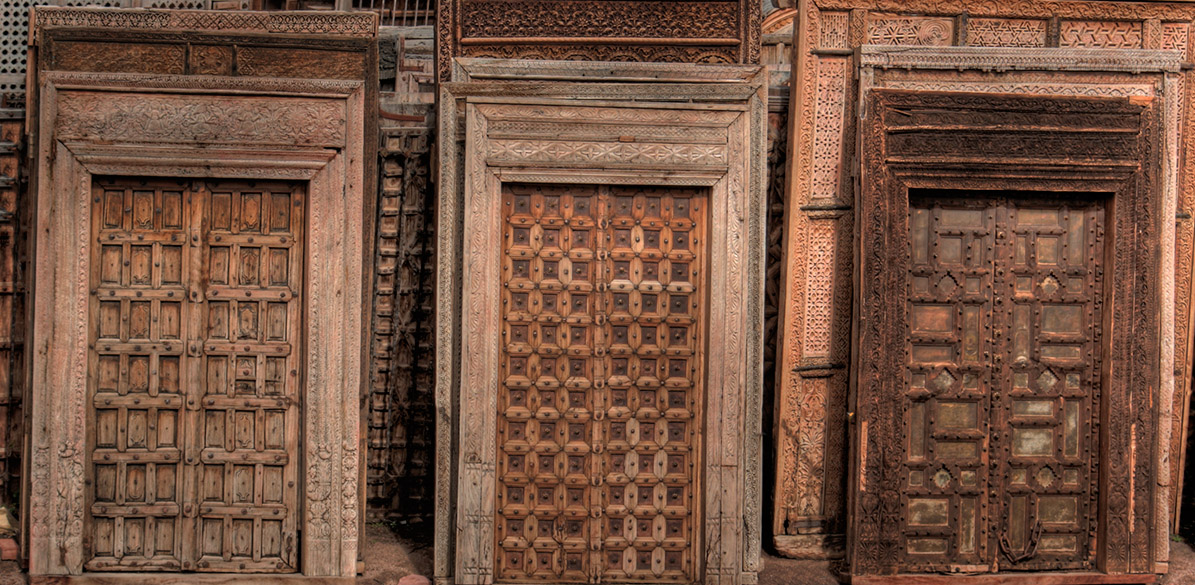
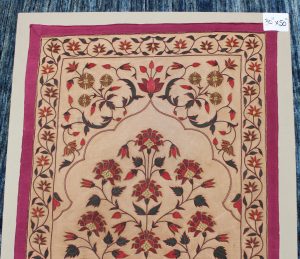
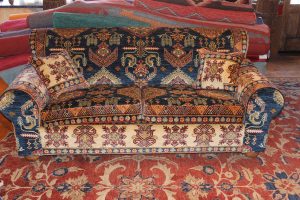
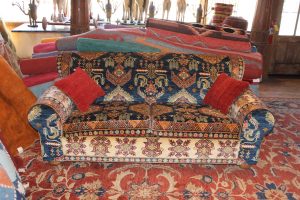
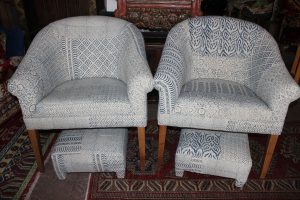
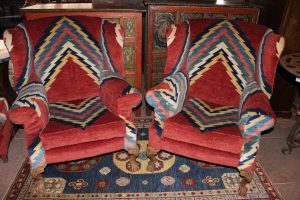
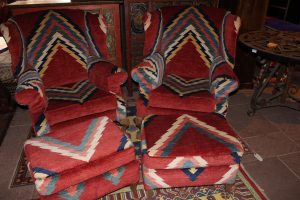
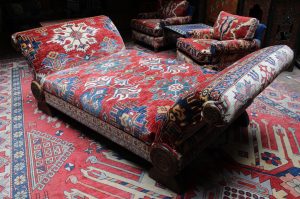
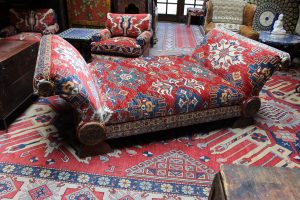
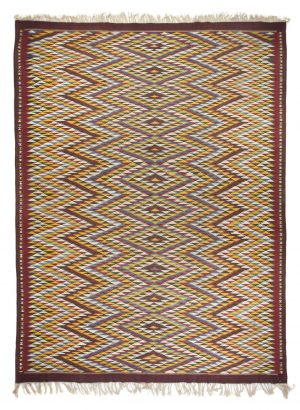
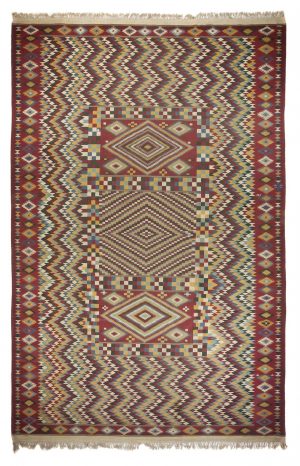
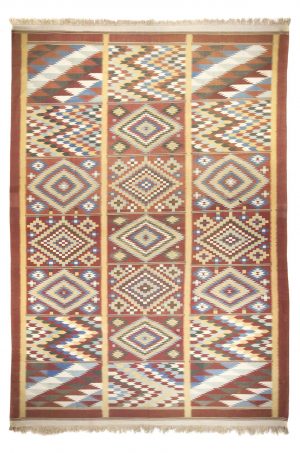
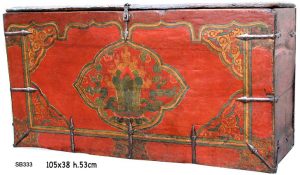
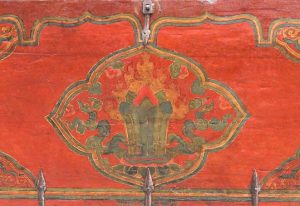
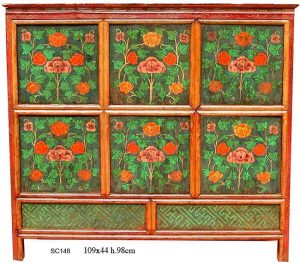
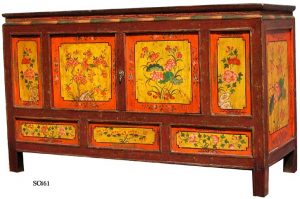
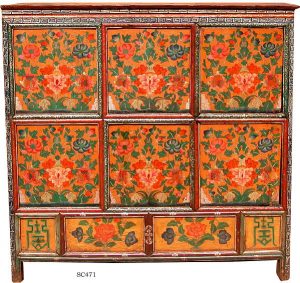
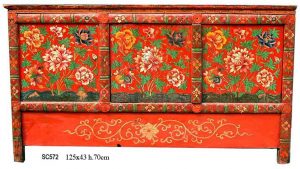
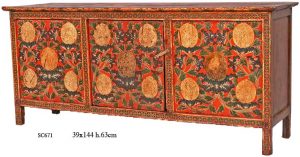
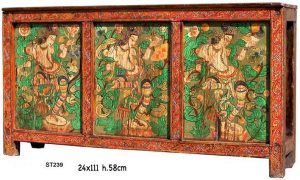
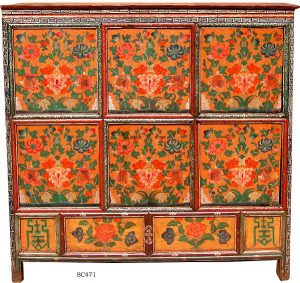
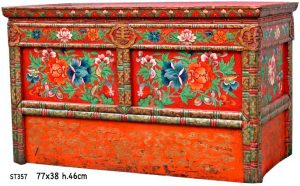
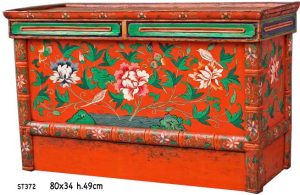
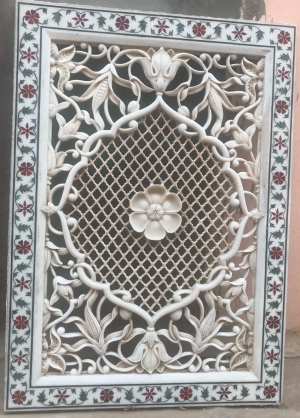
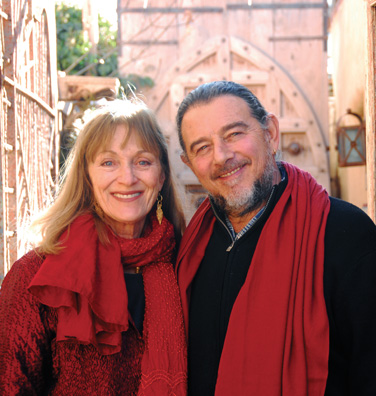
Ira Seret developed a unique style of carpet, fabric, and furniture design. Buying and designing for Anne Klein, Oscar de la Renta, Angelo Donghia, Bloomingdale's, Stark Carpet, and others, Ira and his wife Sylvia established themselves as a premier resource to the design community. In 1979, following the Russian-backed coup in Afghanistan, Ira and Sylvia moved to Santa Fe, NM where they established Seret and Sons: a showcase for their extensive private collection amassed during their time overseas. Seret & Sons quickly became a one-of-a-kind experience and the original store expanded into over 80,000 square feet of showroom and display space. Seret & Sons now houses one of the largest and most unique collections of central and south Asian imports and antique Tibetan furnishings in the world.






Have a Question?
505 988 9151
Need help designing your next project?
Give us a call